AI SDR Automation: Replace 80% of Prospecting Work Without Losing Personalisation
The AI SDR market grew from $4.39 billion in 2025 to $5.81 billion in 2026 — a 32.3% CAGR. Gartner predicts that 75% of B2B sales organisations will augment their sales playbooks with AI tools by 2026. The question for most companies is no longer whether to adopt AI in sales development, but how fast and how deeply.
The Human SDR Problem
The standard SDR model has a structural inefficiency problem. A human SDR costs $66,260 per year in salary alone (before benefits, management overhead, and ramp time). They can research and reach out to 50-100 leads per day. They work 8 hours, 5 days a week. They leave after 14 months on average — taking their training with them.
An AI SDR costs a fraction of this, processes thousands of leads per day, works 24/7, never leaves, and gets better with every iteration of prompting and targeting.
This isn't a future scenario. Companies using AI-powered sales development tools are already reporting a 70% improvement in lead conversion rates and 43% higher win rates compared to teams without AI assistance. Average SDR teams leveraging AI automation save 18-22 hours per week per rep — roughly 23 additional selling days annually.
What AI SDRs Do Well
Research and personalisation at scale: An AI agent can research a prospect's company, recent news, LinkedIn activity, and job listings — and write a personalised outreach message that references specific context. At 100 emails per day from a human SDR, personalisation is superficial. At 1,000 emails per day from an AI SDR, it's genuine.
Multi-channel sequencing: AI SDRs run coordinated outreach across email, LinkedIn, and (via AI voice agents) phone — maintaining consistent messaging, timing follow-ups intelligently, and stopping when a prospect engages.
Response handling: For initial responses (questions, objections, requests for more information), AI can handle a large portion autonomously — qualifying intent, answering common questions, and scheduling meetings directly into calendar systems.
24/7 coverage and follow-up: Inbound leads that arrive at 11pm get a researched, personalised response within minutes rather than the next morning. Speed-to-contact is one of the strongest predictors of conversion in B2B sales.
Where Humans Remain Essential
The AI automation for sales teams playbook is clear on this: AI excels at volume and consistency; humans win on relationship depth and complexity. For enterprise deals with long cycles, multiple stakeholders, and high contract values, AI is a research and preparation tool — not a closer. The 317% ROI comes from the right division of labour, not from replacing your best salespeople with software.
Frequently Asked Questions
What is an AI SDR?
An AI SDR (Sales Development Representative) is an AI agent that performs lead prospecting and outreach tasks traditionally done by human SDRs: researching prospects, personalising outreach messages, sending emails and follow-ups, handling initial responses, and booking meetings for human account executives. It operates 24/7 and can manage thousands of prospects simultaneously.
Can AI really replace human SDRs?
For routine, high-volume prospecting tasks, AI SDRs outperform humans on throughput and consistency. Where human SDRs win is relationship nuance, complex objection handling, and high-stakes enterprise deals. The emerging model is hybrid: AI handles tier-3 and tier-2 outreach volume, humans focus on tier-1 strategic accounts and closing.
What results do AI SDRs typically deliver?
Benchmarks show: 70% improvement in lead conversion rates, 43% higher win rates, 37% faster sales cycles, and 317% annual ROI with a 5.2-month payback period. Each AI SDR can process thousands of leads per day vs 50-100 for a human SDR, at a fraction of the annual cost of $66,260 for a human.
What is the best approach for implementing an AI SDR?
Start with outbound prospecting for a defined ICP (ideal customer profile). Use AI for research, personalisation, and initial outreach (email and LinkedIn). Route positive responses to human account executives. Monitor reply rates and meeting book rates weekly. Refine prompts and targeting based on results. Don't try to automate the entire sales cycle at once.
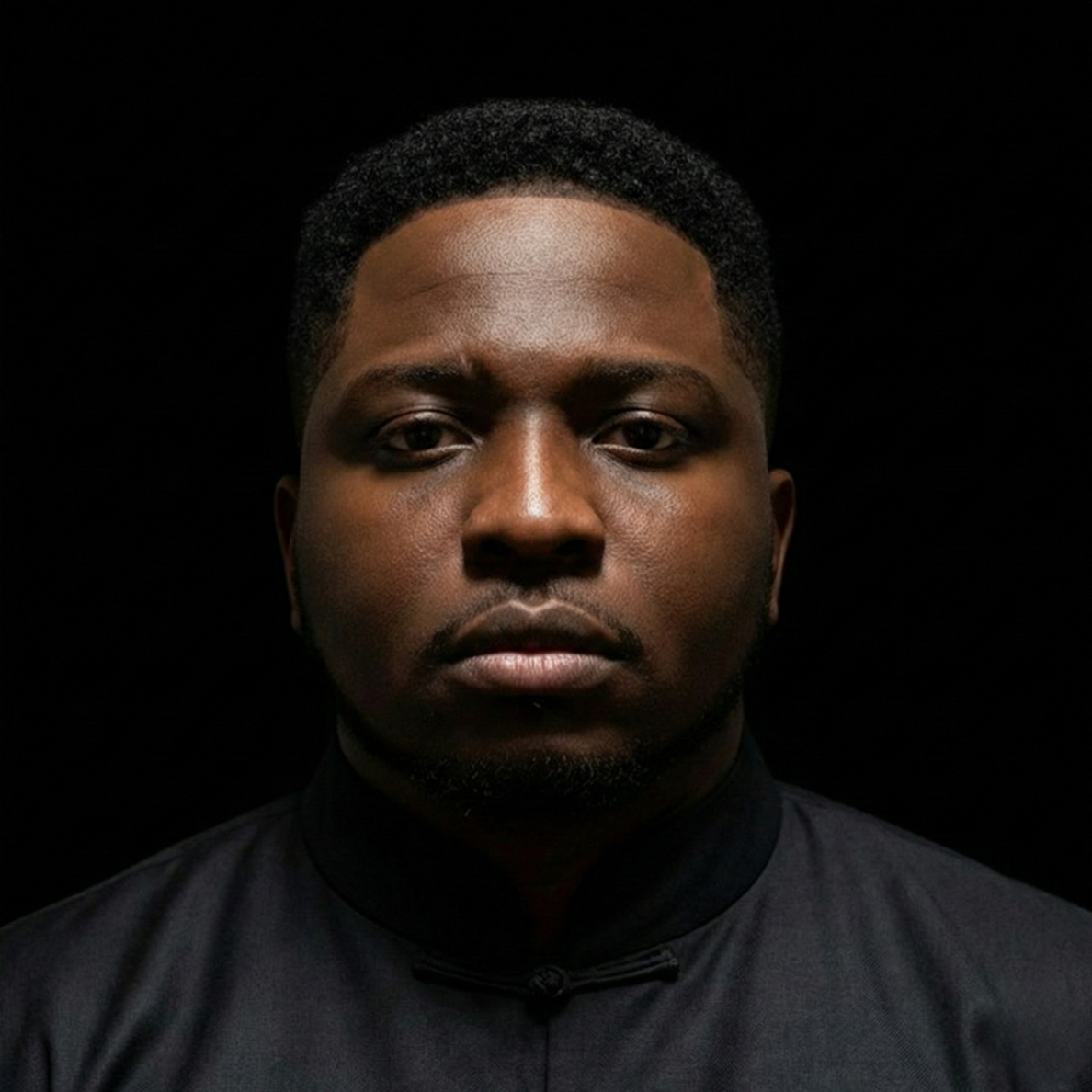
David Adesina
Founder, RemShield
David is the founder of RemShield, an AI engineering studio building intelligent systems and automation infrastructure for growth-stage businesses. He brings a global career spanning customer service, operations management, and fraud prevention before transitioning into AI engineering — giving him a grounded, business-first perspective on what AI can actually deliver in the real world.
LinkedIn →Ready to build your AI systems?
Book a free 30-minute strategy call with the RemShield team.
Book a Free Consultation →Related Articles
AI Automation for Sales Teams: How Top Companies Are Closing More Deals
8 min readVoice AIAI Voice Agents: The Business Case for Deploying Conversational AI by Phone
8 min readAgentic AIAgentic AI for Business: The Shift from AI Tools to AI That Acts
9 min readCRMAI CRM Automation: Make Your CRM Actually Reflect Reality
8 min read